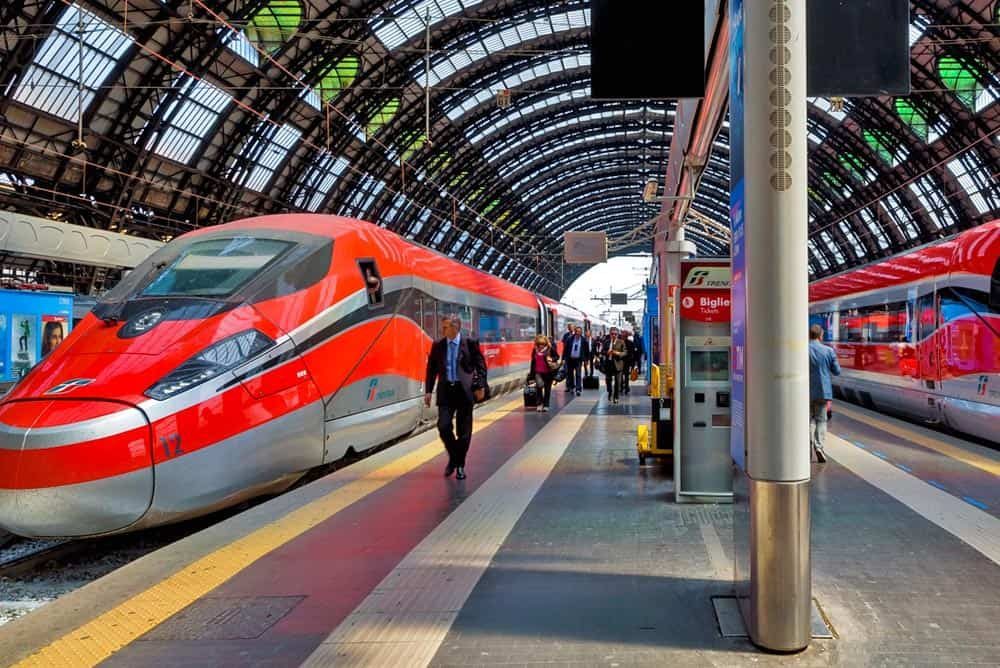
Europe has a dense rail network connecting cities, towns, and even airports. Key points:
- High-speed trains: Fast trains like France’s TGV, Spain’s AVE, Germany’s ICE, and Italy’s Frecciarossa connect major cities in 2–6 hours.
- Regional trains: Slower trains connect smaller towns and local destinations.
- International trains: Services like Eurostar (UK ↔ France/Belgium), Thalys (France ↔ Belgium/Netherlands/Germany), and Railjet (Austria ↔ neighboring countries) allow cross-border travel without flying.
- Night trains: Trains like Nightjet (Austria) or Thello (Italy ↔ France) offer sleeper cabins, letting you save on accommodation and travel overnight.
Traveling by train in Europe can be one of the most convenient and scenic ways to explore the continent. Here’s a comprehensive guide to help you navigate it:
1. Plan Your Route
- Decide destinations: Europe has dense train networks, especially in Western and Central Europe.
- Popular routes: Paris → Brussels → Amsterdam, Berlin → Prague → Vienna, Rome → Florence → Venice, etc.
- Check distances: Some countries (like France, Germany, Italy, Spain) have high-speed trains, while others rely on regional trains.
2. Types of Trains
- High-speed trains: Fast and comfortable (e.g., TGV in France, ICE in Germany, AVE in Spain). They often require seat reservations.
- Regional trains: Slower, cheaper, and good for short trips. Usually no reservation needed.
- Night trains: For long distances, you can sleep overnight (e.g., Vienna → Rome or Paris → Berlin).
3. Buy Tickets
- Individual tickets: Buy from the train operator’s website or at the station. Examples:
- France: SNCF
- Germany: Deutsche Bahn
- Italy: Trenitalia or Italo
- Spain: Renfe
- Rail passes: If traveling multiple countries, consider:
- Eurail Pass (for non-European residents)
- Interrail Pass (for European residents)
Passes can save money but sometimes require seat reservations on high-speed trains.
4. Reservations
- High-speed and international trains often require seat reservations.
- Regional trains usually don’t.
- Make reservations in advance for popular routes to avoid full trains.
5. At the Station
- Arrive early: 20–30 minutes is usually enough, but larger stations can be confusing.
- Check platforms: Display boards show train numbers, departure times, and platform info.
- Validate your ticket: In some countries (Italy, France) you need to validate tickets in machines before boarding.
6. Onboard Tips
- Keep your ticket handy for conductors.
- Luggage space is usually above your seat or at the end of the carriage.
- Food and drinks are often available on long routes.
- Wi-Fi may be available on high-speed trains in some countries.
7. Apps & Tools
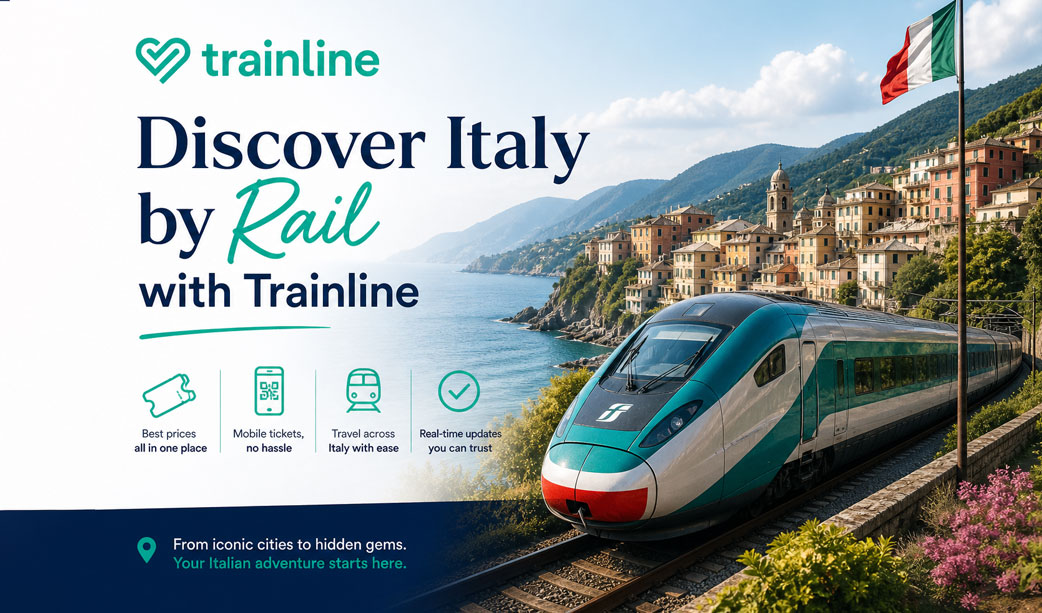
- Trainline – Great for booking across Europe.
- Omio – Compare trains, buses, and flights.
- Rail planner apps – Check schedules, seat availability, and platform info.
8. Travel Etiquette
- Stand to the right on escalators in stations (in many countries like Germany and France).
- Keep noise low in reserved quiet zones.
- Don’t block doors or aisles with luggage.
| Feature | Eurail Pass | Interrail Pass |
|---|---|---|
| Who’s eligible | Residents outside Europe | Residents inside Europe |
| Global coverage | ~33 countries | ~33 countries |
| One‑Country option | Yes | Yes |
| Use in country of residence | No restriction (for non‑EU residents) | Limited (mainly inbound/outbound) |
| Seat reservation needed | Yes, for many trains + may have surcharge | Same |
| Best for | Non‑Europe residents travelling multiple countries | Europeans travelling multiple countries |
Rail Passes
- Ideal for traveling across multiple countries.
- Interrail Pass: For EU residents – Book
- Eurail Pass: For non-EU residents – Book
- Passes allow flexibility but sometimes still require seat reservations for high-speed or night trains.
Booking Options
- Websites and apps: Trainline, Omio, Rail Europe
- At stations: Ticket counters or self-service machines
- Some trains allow last-minute purchases, others require early booking for best prices
Train Stations
- Major hubs: Large cities have big stations with multiple platforms (e.g., Paris Gare du Nord, Berlin Hbf)
- Platform info: Usually displayed 10–20 minutes before departure
- Validation: In some countries (Italy, France), you must validate your ticket in a machine before boarding
Boarding & Onboard
- Keep ticket accessible for inspectors
- Luggage storage: overhead or at carriage ends
- Quiet zones exist on some trains
- Food/drink available on longer journeys
International Travel
- High-speed trains connect countries (Paris → Brussels → Amsterdam → London, Berlin → Prague → Vienna)
- Some cross-border trains require passport or ID, not a visa for EU Schengen travelers
- Booking early is cheaper
6. Scheduling & Planning
- Trains run frequently in Western Europe; less frequent in Eastern or rural areas
- Apps/websites make planning easy:
- Check train numbers, departure times, and platforms
- Compare prices between high-speed, regional, and night trains
✅ In short:
The European train system is a combination of fast long-distance trains for major cities and slower regional trains for smaller towns. Tickets can be bought per journey or through passes. Planning, reservations, and knowing the type of train are key.